
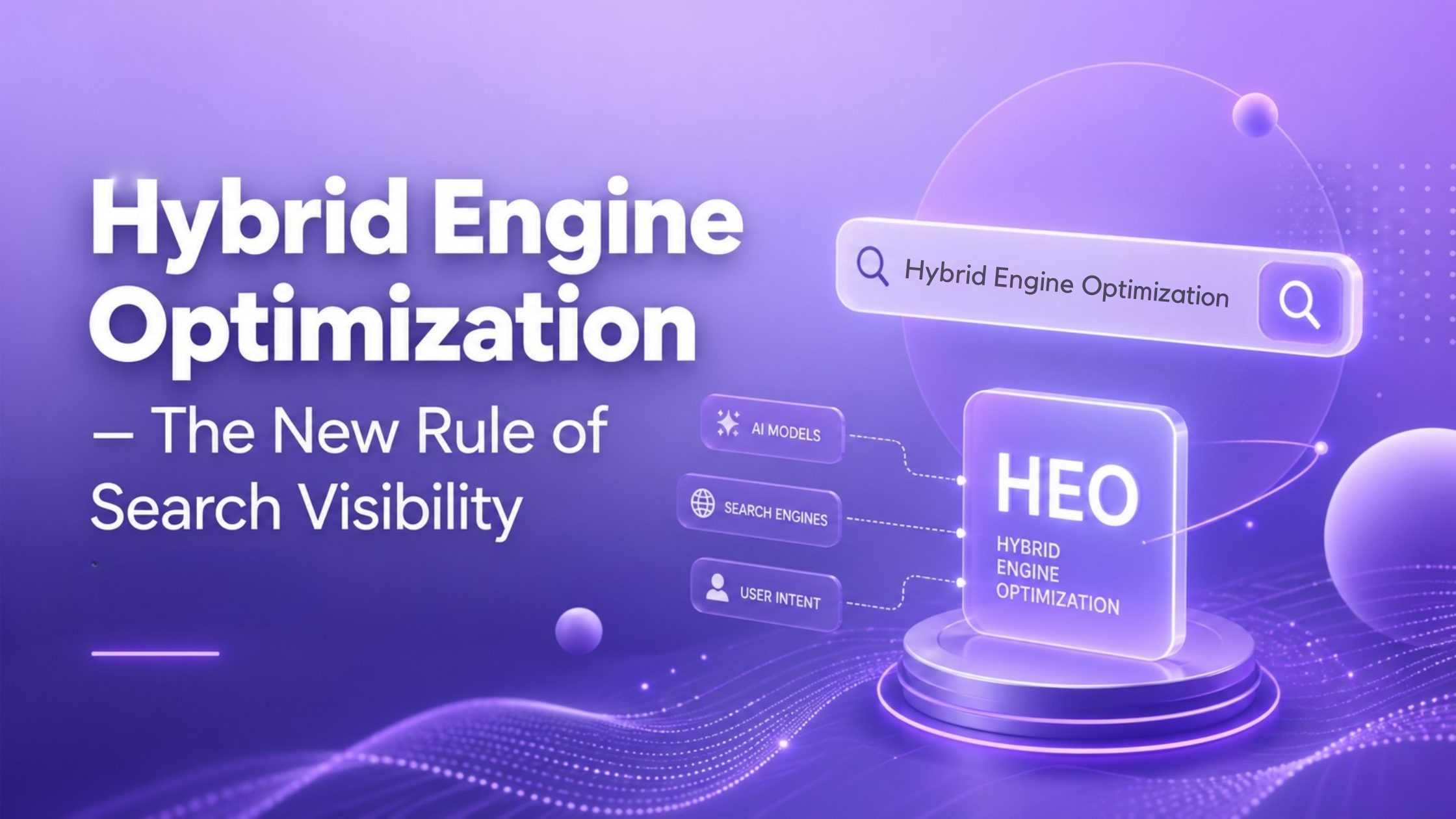
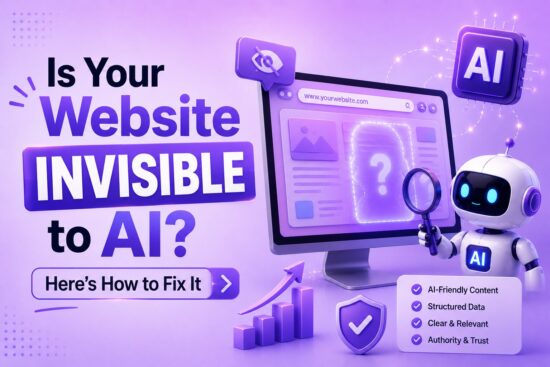
We all know the concept where a good SEO was enough to stay visible online. But it is not anymore, with search engine optimization, you need hybrid engine optimization too. Because people are now searching on AI-powered platforms that answer questions directly. The strategy of HEO is to keep your content visible where your audience is searching.
The AI search cannot be overlooked, as millions of people are dependent on such platforms. Should you wish to rank yourself, your website, or business, then you must learn about this new update in 2026.
What is Hybrid Engine Optimization?
Hybrid engine optimization refers to the optimization of your webpage and its content to appear on the search engines such as Google and Bing, as well as search engines powered by AI such as ChatGPT, Perplexity, Google AI Overviews, and Gemini.
Individuals seek information anywhere, and the content that attracts visibility is the one with a technical strategy. The classical SEO is still leading. Organic rankings are still powered by crawlability (the search engine’s ability to scan and index your site), backlinks, page speed, and search intent.
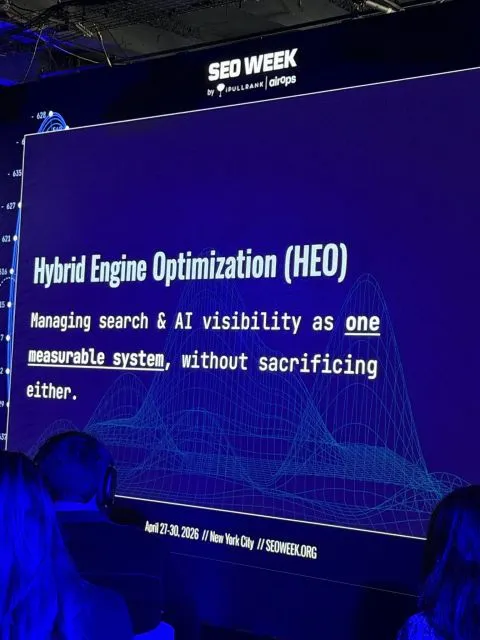
All this means that now a new tool set allows your content or brand to show up in the search results of AI tools. HEO unites the two disciplines into a single strategy.
Why Traditional SEO Alone is No Longer Enough?
Earlier, when you were top of Google, that meant your website and brand were top. Keywords optimization, creation of backlinks, page structuring and content that fits the search purpose have always worked since Google was the only site where one could get something online. This has turned around.
This is now shifting and it is a huge transformation. Today, when you search on Google, you can see the Google AI Overview and the summaries of its answers appear. That saves the time of clicking on a specific page.
In 2025, Google AI Mode was launched. Since then, ChatGPT, Perplexity, and Bing Copilot have combined and handled the hundreds of millions of searches every month. A segment of your audience already has access to these services to receive information, select products, and find answers to work-related issues.
When your content is not included in the AI-generated responses, you are losing a significant portion of your audience. That is why you require a hybrid engine optimization to reach your target audience as your brand.
Two Pillars of Hybrid Engine Optimization
The Two Pillars of Two-Pillar Hybrid Engine Optimization.
Pillar 1: Search Engine Optimization Basics.
The fundamentals count. Your backups are technical SEO, keyword optimization, quick page speed and quality backlinks. They are without which nothing works.
At the centre of this pillar is the E-E-A-T signal. Both Google and AI websites reward content that has an obvious author and reason as to why they are conversing about whatever they are talking about.
Pillar 2: Optimization of AI Search
These things can make or break AI platforms, citing your content once you have your foundation in place:-
Answer and then explain – Begin with a straight answer. In case you have made your point three paragraphs down the page, AI systems overlook it.
Be aware of who you are – The more transparent you make your brand and knowledge, the more the AI systems will mention you.
Use schema markup – Schema markup is a code tag that informs AI platforms about the nature of what is on your page.
How to Apply Hybrid Engine Optimization
To get your website and brand cited in AI tools, follow the steps below. Remember that it’s the originality that leads to ranking. A Best SEO Agency can help implement these strategies effectively and improve your AI visibility.
Step 1: Audit Your Content
Check out your finest pages. Find out whether all people respond to the main question of the initial two paragraphs.
Step 2: Mend Your Building
Begin each part with a simple question. Artificial intelligence systems do not find answers within the deeper layers of the text, but rather the obvious answers.
Step 3: Add Schema Markup
Install the appropriate schema for every kind of page. This involves different schema tags on the articles, frequently asked questions (FAQs), and business profiles.
Step 4: Have Author Authority
Edits author pages and bios. Smart websites trust and cite material from reputed, well-known, informed people.
Step 5: Track AI Visibility
See if your information is included in answers created by AI. Take it as seriously as you adhere to Google rankings.
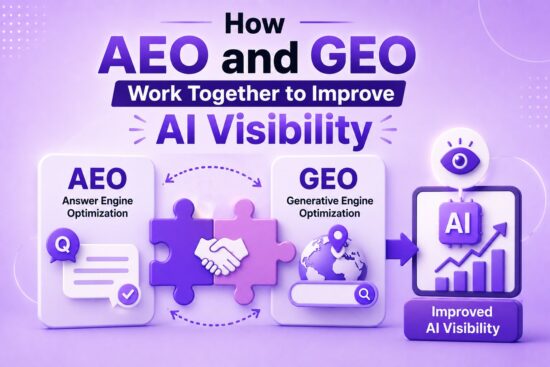
SEO vs AEO vs GEO vs HEO
SEO | AEO | GEO | HEO | |
Full Form | Search Engine Optimization | Answer Engine Optimization | Generative Engine Optimization | Hybrid Engine Optimization |
Goal | Rank on Google | Get featured in answer boxes | Appear in AI answers | Visible on search and AI both |
Works On | Google, Bing | Google, Alexa, Siri | ChatGPT, Perplexity, Gemini | All of the above |
Content Style | Keyword focused | Short, direct Q&A | Conversational, quotable | Mix of all three |
Enough Alone? | No | No | No | No |
Conclusion
Search has changed and it is not going back to the older way. People no longer rely only on Google to find answers. They ask AI tools, get instant responses, and move on. Hybrid engine optimization is how your content stays visible in both worlds. Start now before your competition does.
Frequently Asked Questions
Hybrid Engine Optimization is a strategy that helps your content get found on both search engines and AI platforms at the same time.
Yes. The basics like backlinks, page speed, and good content still matter. Nothing has replaced them yet.
GEO focuses only on AI platforms. HEO covers both AI tools and search engines together in one strategy.
Audit your top pages, add the right code tags, and make sure every page answers its main question upfront.
Every three to six months is a good habit. Fresh, updated content performs better on both search and AI platforms.


Leave a Reply